Listen to the Summary:
As we all know, the allure of a piece of jewelry isn't just in its sparkling gems or intricate designs. It's also in the story it tells— a story often written in tiny, almost invisible markings known as stamps or hallmarks. These minuscule engravings are far from decorations; they are your key to understanding a piece's history, quality, and authenticity. In this comprehensive guide, we'll dive into the fascinating world of jewelry stamps and metal hallmarks. So, let's unravel the language of jewelry together, shall we?
Explore jewelry by the designer who wrote this article
These designs are part of the philosophy explored in this post.
-
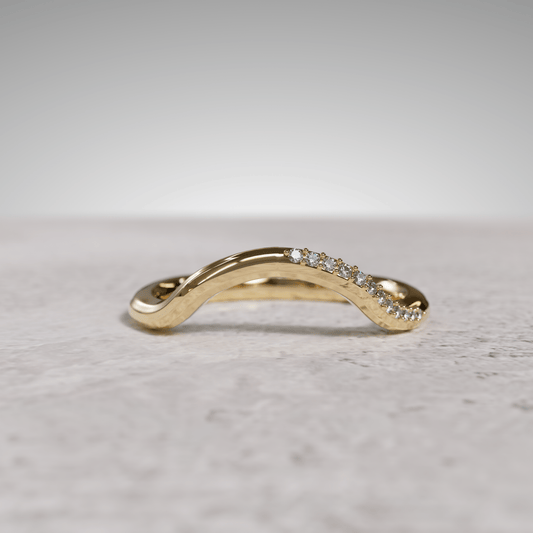
Venture Band
Regular price From $3,208 USDRegular priceUnit price per -
Stillpoint Earrings
Regular price From $5,248 USDRegular priceUnit price per -
Constellation Earrings
Regular price From $6,752 USDRegular priceUnit price per



-
Arc Earrings
Regular price From $10,950 USDRegular priceUnit price per -
Occasions Band – Narrow
Regular price $2,820 USDRegular priceUnit price per -
18k Constellation Pendant
Regular price From $5,827 USDRegular priceUnit price per -
Constellation Cuff Bracelet
Regular price $46,025 USDRegular priceUnit price per -
Threshold Cuff
Regular price $49,950 USDRegular priceUnit price per -
Constellation Ring
Regular price $8,859 USDRegular priceUnit price per -
Venture Ring
Regular price From $3,928 USDRegular priceUnit price per -
Stillpoint Pendant
Regular price From $3,950 USDRegular priceUnit price per -
Two Paths Ear Cuff and Drop Earring Set
Regular price $8,590 USDRegular priceUnit price per -
Reversible Visionary Locket
Regular price From $19,887 USDRegular priceUnit price per -
Reversible Safe Passage Pendant
Regular price From $24,832 USDRegular priceUnit price per -
Resilience Band
Regular price From $6,150 USDRegular priceUnit price per -
Reflection Ring
Regular price $4,983 USDRegular priceUnit price per -
Pathfinder Stud Earrings
Regular price $2,950 USDRegular priceUnit price per -
Pathfinder Pendant
Regular price From $4,125 USDRegular priceUnit price per -
Pathfinder Drop Earrings
Regular price $3,715 USDRegular priceUnit price per -
Open Journey Band
Regular price $4,682 USDRegular priceUnit price per -
Odyssey Ring
Regular price $6,121 USDRegular priceUnit price per -
Destiny Pendant
Regular price $11,350 USDRegular priceUnit price per -
Homecoming Bangle Bracelet
Regular price $18,590 USDRegular priceUnit price per -
Moments Band
Regular price $5,263 USDRegular priceUnit price per -
Mirror Studs
Regular price $5,522 USDRegular priceUnit price per -
Mirror Pendant
Regular price From $4,440 USDRegular priceUnit price per -
Looking Glass Ring
Regular price From $4,620 USDRegular priceUnit price per














What Does A Stamp Mean On Jewelry?
Jewelry markings, often referred to as hallmarks, are a set of symbols, numbers, or letters that serve as the DNA of a piece of jewelry. They can reveal various features, such as the metal type, origin, age, and even the manufacturer. These stamps are commonly found on rings, pendants, and bracelets, usually located on the back or the interior of the jewelry.
Why Should You Care?
Understanding these markings not only adds a layer of assurance for you, the buyer, but also serves as an indispensable tool for those interested in heirloom redesign or custom jewelry creation. Knowing how to read these stamps and hallmarks ensures you are investing in a piece that aligns with your desire for quality, and can be passed down to enrich your family legacy.
The Rich History of Jewelry Stamps
Jewelry stamps have a long and storied history, dating back centuries. They originated as a way to ensure quality and authenticity in the trade of precious metals. In England, the hallmarking system began as early as the 1300s. Goldsmiths were required to register their stamps with the Goldsmiths' Company and the London Assay Office. This system, which used a combination of symbols, numbers, and letters to indicate precious metal purity, maker's mark, and year of manufacture, was later adopted by other countries, including France, Germany, and the United States.
A Global Standard
Today, jewelry stamps have become a global standard, serving as an essential part of the manufacturing process to ensure the quality and authenticity of individual pieces. They have evolved to include not just information about metal type and purity, but also origin and manufacturing details.

Decoding Different Types of Jewelry Stamps
 Purity Stamps
These stamps indicate the purity of the metal used in the jewelry. For example, '925' signifies 92.5% pure silver, usually combined with another metal like copper for durability.
Maker's Marks
These stamps identify the jewelry designer or artist who created the piece. Manufacturers often use their logo, while artists and designers may use their name or initials.
Location Stamps
These marks identify the origin of the piece, often indicating the country or specific region where the jewelry was made.
Gold Purity Stamps
Gold purity is indicated by stamps like 10K, 14K, 18K, and 24K. It's crucial to note the difference between carats (used for gems) and karats (used for metals):
- 10K or 416: 41.6% pure gold
- 14K or 583 or 585: 58.3% pure gold
- 18K or 750: 75% pure gold
- 24K: 100% pure gold
Platinum Identifier Stamps
These markings, such as '900 Platinum' or 'Pt900,' indicate that the jewelry contains 900 parts per 1000 of platinum. Platinum is often combined with palladium or rhodium, and the percentage of these metals will be indicated by additional stamps like 'PD.'
Gold Plating Stamps
Stamps like 'GE' (gold electroplated) or 'GP' (gold plated) indicate that the piece is coated with a layer of gold. One mark that is not to be confused with plated gold is 14kP, which is a rare marking which designated 14k gold Plumb, meaning that the alloy is no less than 58.3% gold.
Stainless Steel Stamps
These marks indicate that the piece is made from stainless steel, a hypoallergenic and affordable metal.
Antique Stamps
These usually begin with a capital 'A' and may be accompanied by other letters to indicate the type of finish or plating used.
Want help choosing the right piece?
If you’re marking a milestone—or translating a feeling into something you can wear—we’d love to help you design the right piece.
BOOK A CONSULTATIONHow to Read Stamps and Hallmarks
Reading these markings often requires a magnifying glass and some patience. They are usually located on the inside of rings, the clasps of necklaces, or the backs of pendants and earrings. Start by identifying the numbers for metal purity, then look for the trademark and any special symbols that can offer insights into the piece's history or origin.
Expert Tip:
If you find yourself struggling to decode these markings, don't hesitate to reach out for a virtual consultation. At Stradley & Daughter, we offer appraisals, custom design, and heirloom restyling services to help you understand and enjoy your piece better.